

Angge Piguing, Diego Gabriel Torres, Adam Daniel Reyes
18 October 2020
MANILA’S HERITAGE MASSACRE: Destroying the Pearl of the Orient
Manila is a city with a unique character that sets it apart from its Asian neighbors. The city lies in the crossroads of trade between Asia, America and Europe. Centuries of exchange has produced a city where different cultures blend to produce something elegant and beautiful – distinctly Manila.
This is manifested more concretely in the city’s rich and varying architectural styles. Manila’s cityscape and built-heritage structures is a showcase of architectural ingenuity, tenacious labor, climatic adaptation, fusion of “East and West”, and of the genius of creative minds who aimed to create a city in the marshes of the Pasig, at par with other global centers.
Its moniker, Pearl of the Orient, or Queen of the Pacific, was truly well deserved.
The Second World War was a great blow to the city, a fiery birth for the war shocked and confused Manila of postwar years whose legacy lives on to this day. However, the war did spare many of Manila’s built heritage; some buildings were even rebuilt and reused.
But today, Manila faces a great threat to its cultural treasures: unregulated and haphazard “development” together with state laxity on protecting the city’s treasures.
While the destruction of Manila’s treasures have been going on since the end of the war, these past 2 years and recent months have resulted in an alarming spate of demolitions. Renacimiento Manila, together with other heritage advocates, raises the alarm on the ongoing carnage of cultural vandalism that is the “Manila Heritage Massacre”.
Here are some notable examples.
San Sebastian and the proposed Condominium
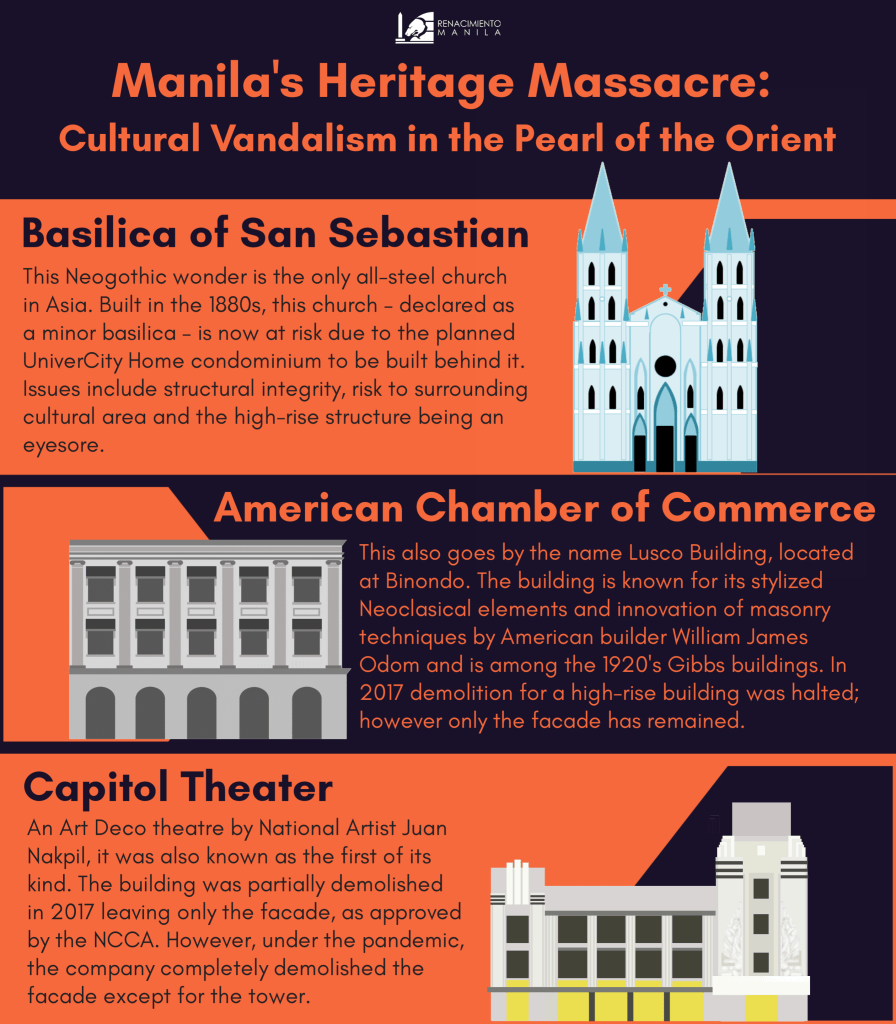
The neogothic San Sebastian Basilica is the only all-steel church in Asia. Built in the 1880s, this church – declared as a minor basilica – is now at risk due to the planned UniverCity Home condominium to be built behind it. Issues include structural integrity, risk to the surrounding cultural area and the high-rise structure being an eyesore. Currently, the San Sebastian Basilica Conservation and Development Foundation, Inc. has undertaken steps with other civil organizations to address the issue.
Paco Public Market

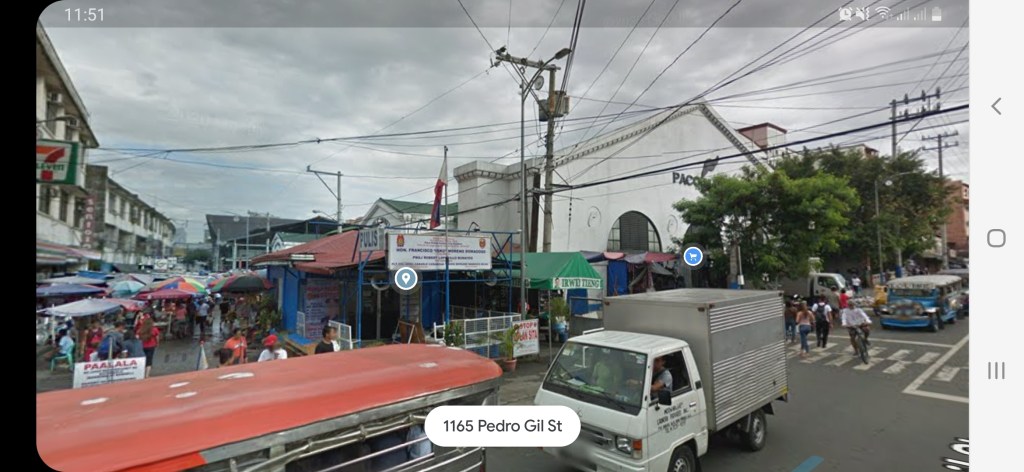
The public structure along Pedro Gil and Angel Linao streets (formerly Calle Herran and Calle Dart respectively) and facing the Estero de Paco was opened on May 1, 1912. The Mission Revivalist style was employed by William Edward Parsons on the building, in accordance to Daniel Burnham’s “City Beautiful” plans for Manila. The structure utilizes concrete and steel trusses, large openings, and a high ceiling that provides ample lighting and passive ventilation, and was subsequently made a model for other public markets later on the islands. While the market has retained its original structure and function, rapid industrialisation and urbanization has contributed to the decline of the structure and the nearby estero. Today, the market is demolished and there are plans to renovate this with a modernist style, using the technique of façadism.
Philam Life Auditorium
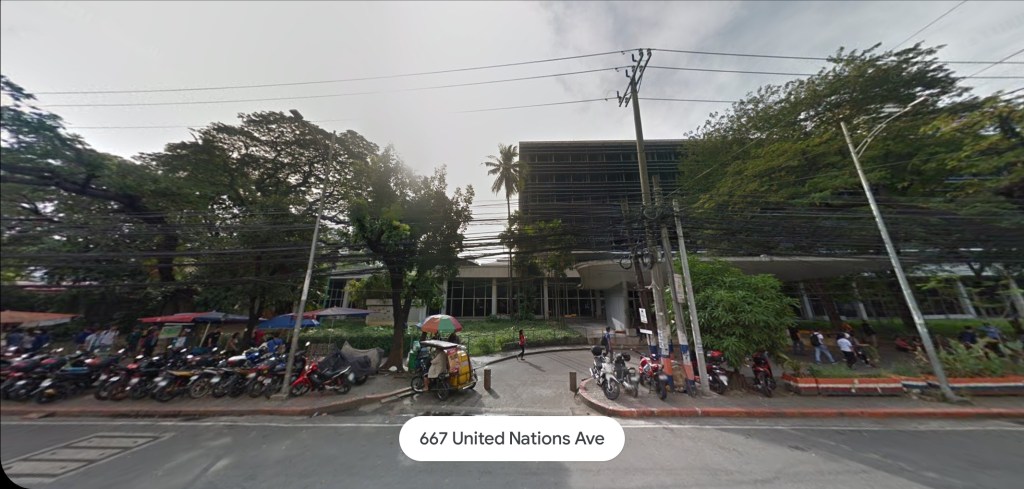
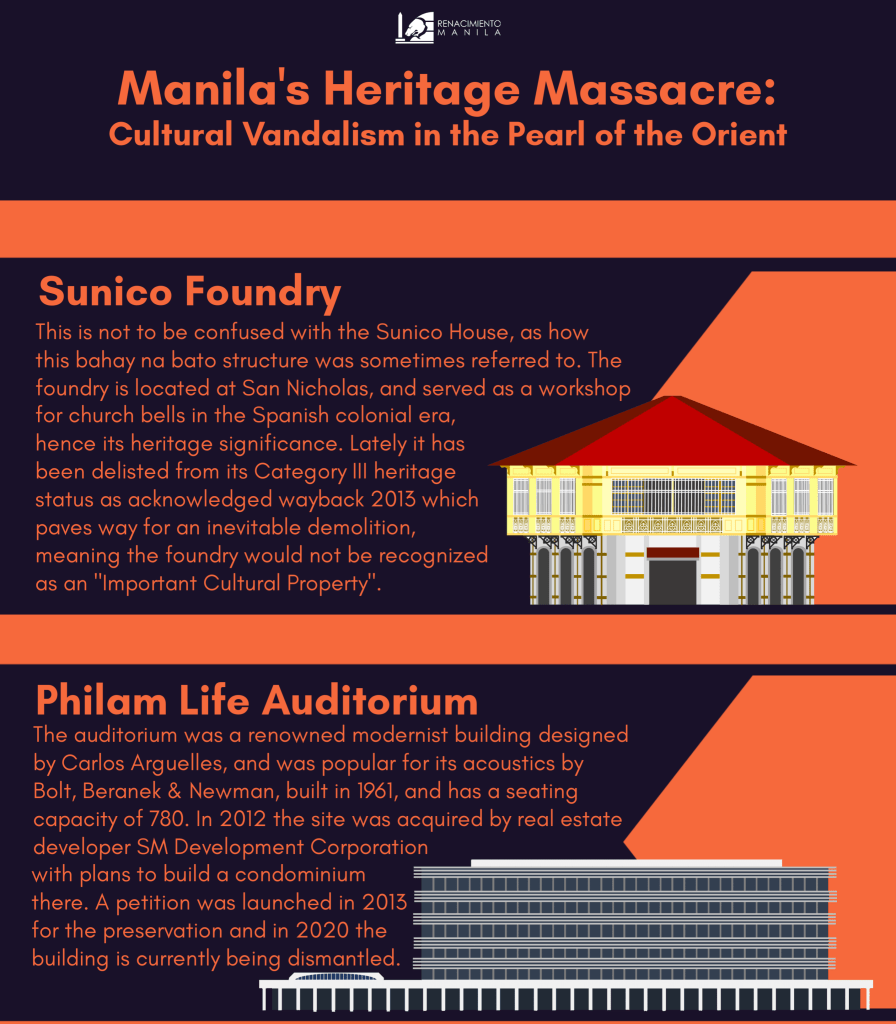
The auditorium, located at United Nations Avenue, was a renowned modernist building designed by Carlos Arguelles, and was popular for its acoustics by Bolt, Beranek & Newman. The structure was built in 1961, and has a seating capacity of 780. In 2012 the site was acquired by real estate developer SM Development Corporation with plans to build a condominium there. A petition was launched in 2013 for preservation and in 2020 the building is currently being dismantled.
American Chamber of Commerce


This also goes by the name Lusco Building, located at Binondo. The building is known for its stylized Neoclasical elements and innovation of masonry techniques by American builder William James Odom and is among the 1920’s Gibbs buildings. In 2017 demolition for a high-rise building was halted; however only the facade has remained. The developer JQ International Construction Inc. is set to build a 33-storey building on the site.
Capitol Theater

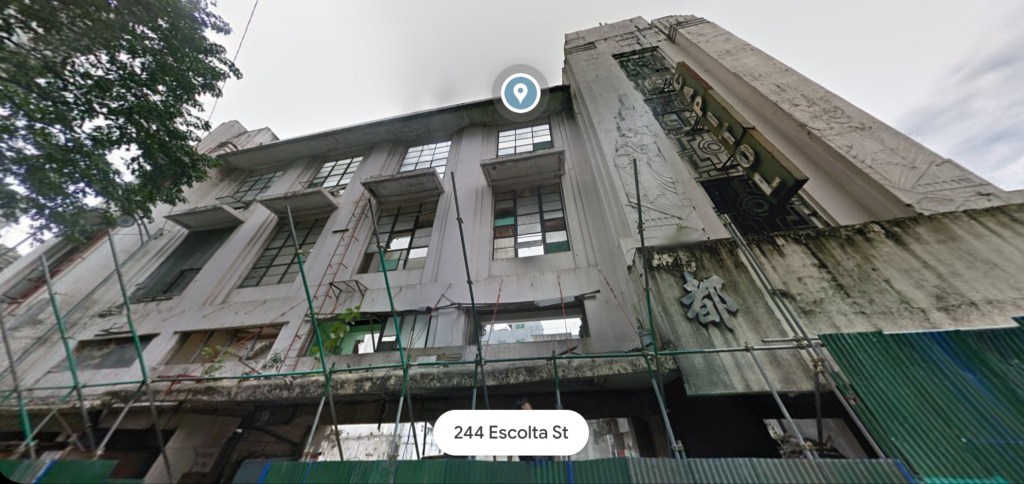

An Art Deco theatre by National Artist Juan Nakpil, it was also known as the first of its kind. The building was partially demolished in 2017 leaving only the facade, as approved by the NCCA. However, under the pandemic, the company completely demolished the facade except for the tower. The Capitol Theater is one of the heritage buildings – regardless of the current status – that can be found at Escolta.
Sunico Foundry


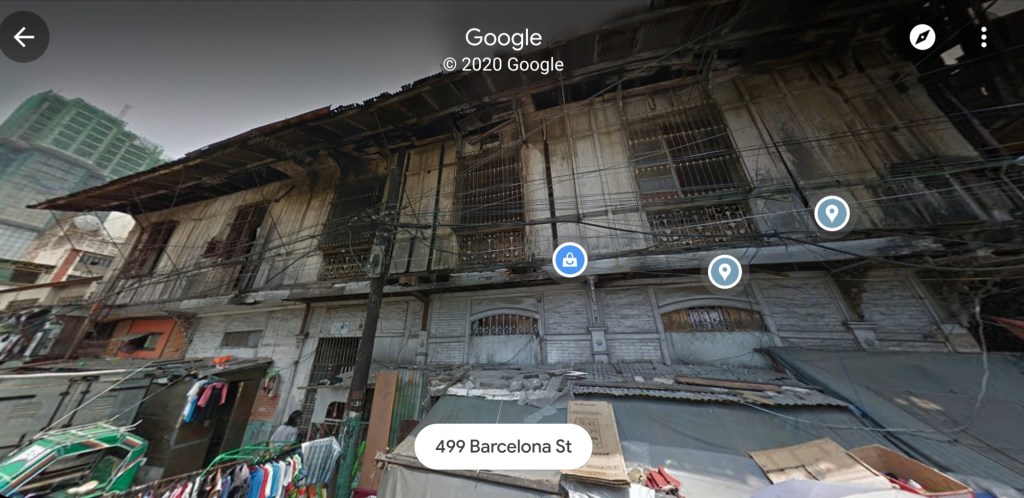
This is not to be confused with the Sunico House, as how this bahay na bato structure was sometimes referred to. The foundry is located at San Nicholas, and served as a workshop for church bells in the Spanish colonial era, hence its heritage significance. Lately it has been delisted from its Category III heritage status as acknowledged wayback 2013 which paves way for an inevitable demolition, meaning the foundry would not be recognized as an “Important Cultural Property”. As of writing, it has been speculated that the foundry structure will be moved to Las Casas Filipinas de Acuzar.
Zaragoza House

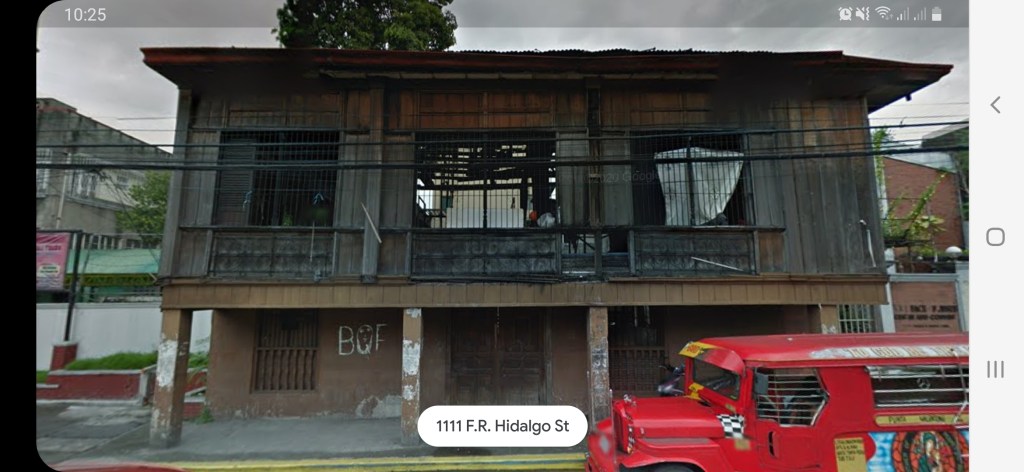

The Zaragoza House in Quiapo was once home to the eponymous aristocratic clan in the 19th century. On September 27, the house was reported to have been torn down, and subsequently, the statement was said for a reconstruction project. While a “reconstruction” might ring good news, it can also imply that the structure would be changed, hence the word.
Pons House
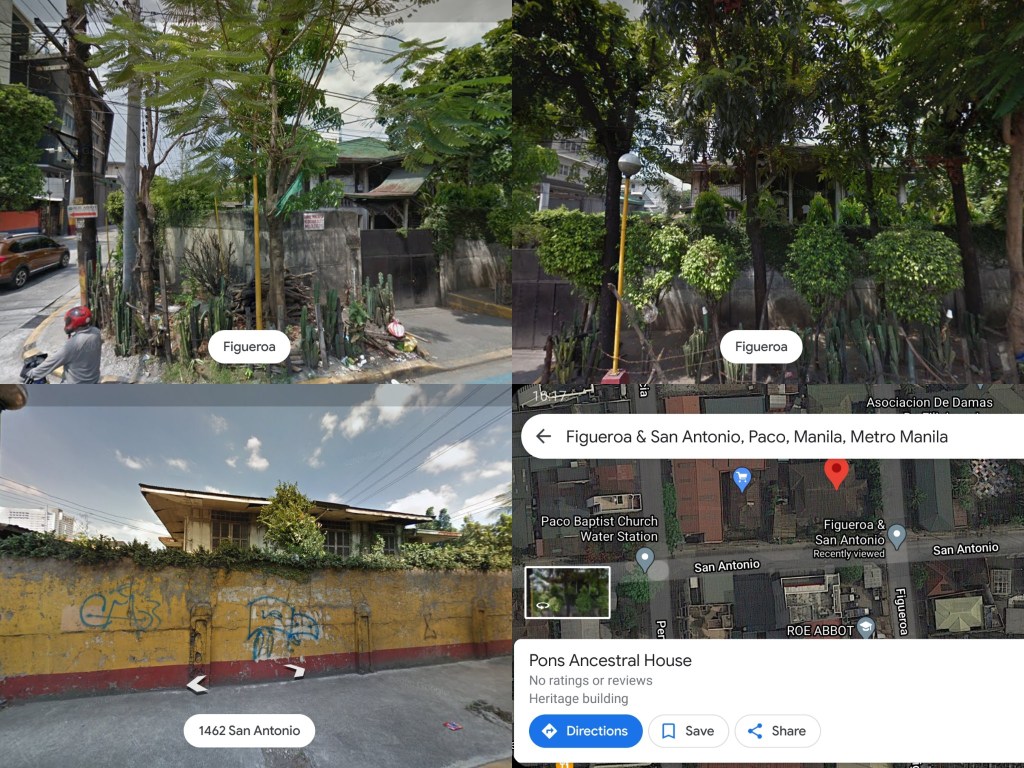
The Pons House was a renowned structure, known for having won second prize for best design in Paco, Manila in 1931. The chalet-type house is located at San Antonio corner Figueroa streets, characterized with lion sculptures believed to bring good luck. Recently, the property where the house stands is sold off, and the new owners are set to demolish the now-dilapidated chalet to make way for newer development. This structure is an example of heritage that fell into obscurity, having a lack of coverage by general media.

Ides O’Racca Building

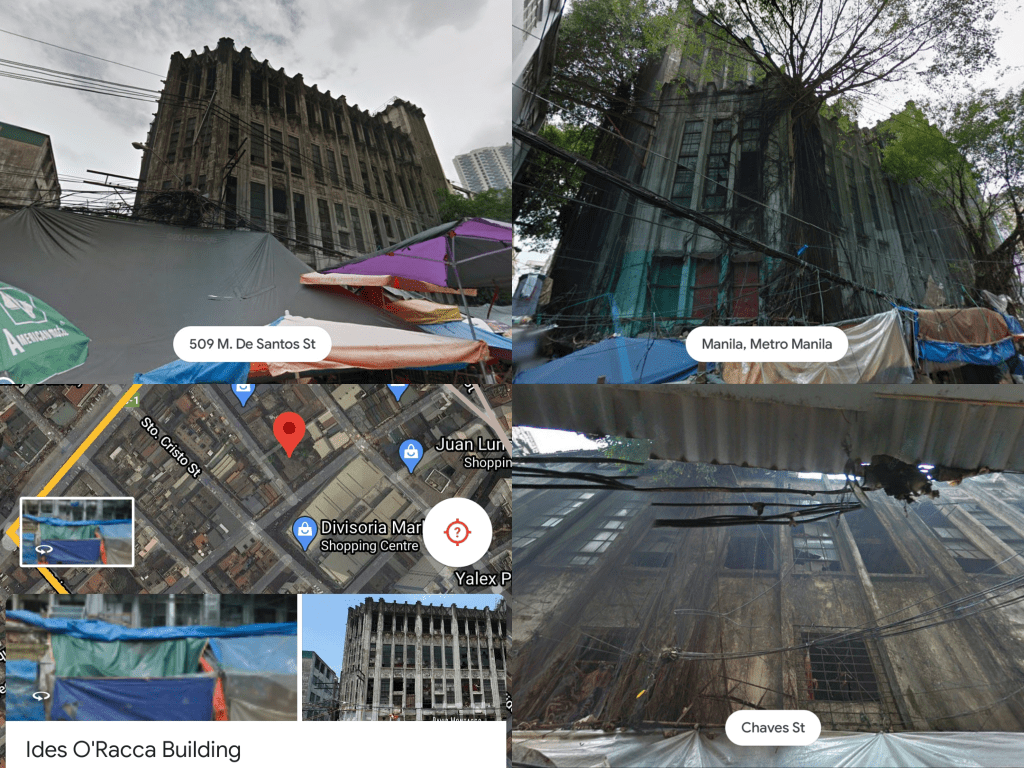
Named after Dr. Isidoro De Santos, nationalist and legislator, who was the owner of the building when it was built in 1935. Designed by German Architect Arthur Julius Gabler-Gumbert, the Art Deco building was intended to be a cold storage facility. However several complications led to the building being sold to the Japanese ownedO’Racca Confectionery Co. Inc, which produced sweets and candies. It was used by Japanese forces during the war, and later seized by the liberation forces. The building was used by different government agencies in its long history. However, the building today is in a state of neglect and is being threatened with demolition. Civil society organizations, however, are working hard to save the building.
Panciteria Macanista de Buen Gusto
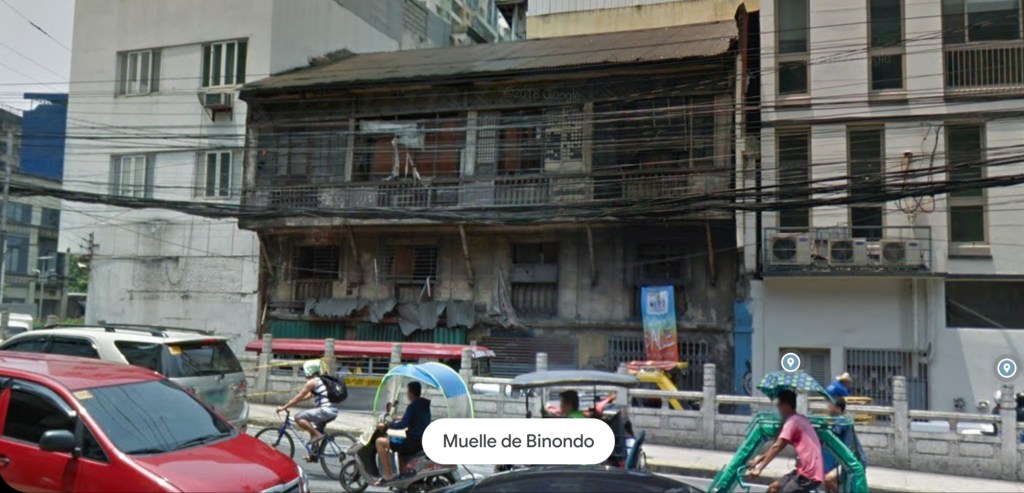

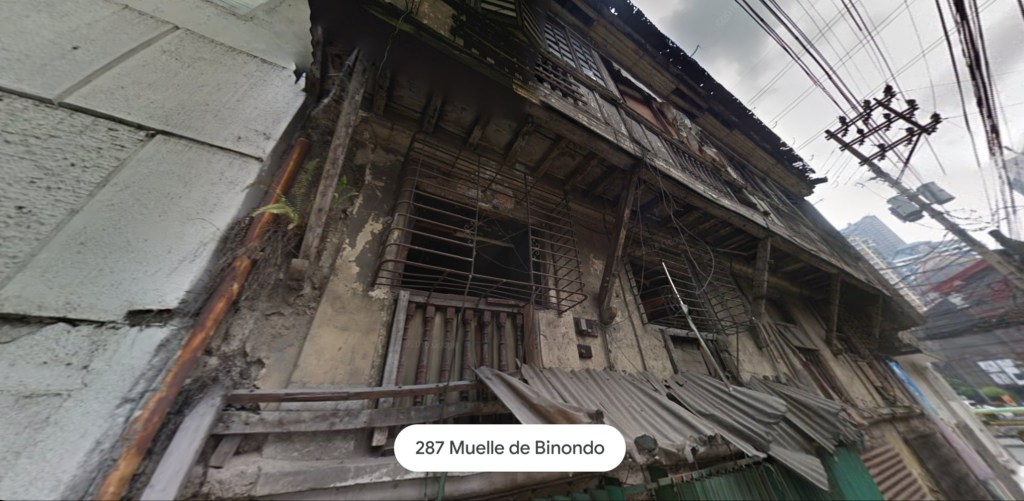
The Panciteria Macanista de Buen Gusto stands along San Fernando Street, just a few meters from Binondo Church. The Panciteria is famous for being mentioned in Dr. Jose Rizal’s novel, EL FIlibusterismo. The structure dates back from the 1880’s and is one of the few surviving examples of a three storey bahay na bato structure. This type of bahay-na-bato was found mostly in the business districts of Spanish Manila.
The building was owned by a certain Don Severino Alberto, according to Stephen Pamorada of the Heritage Collective, citing a book entitled “Three centuries of Binondo Architecture, 1594 – 1898; A socio-historical perspective.”
The Panciteria was a place where Filipinos and Chinese alike purchased and ate ‘pancit’ as well as other Chinese cuisines.
Dr. Jose Rizal described the restaurant inside in his novel as follows:
“In the center of the room under the red lanterns were placed four round tables, systematically arranged to form a square. Little wooden stools, equally round, served as seats. In the middle of each table, according to practice of establishment, were arranged four small colored plates with four pies on each one and four cups of tea, with the accompanying dishes, all of red porcelain. Before each seat was a bottle and two glittering wine glasses,” (According to the 1912 version of El Filibusterismo by Charles Derbyshire).
The building survived the destruction of Binondo during the war, but has since then deteriorated, to the point that it was even used as a drug den by illegal drug dealers. The Panciteria today is in danger due to pressure from land developers eager to demolish the building, as well as structural weakness due to decades of neglect.
Old Magnolia Ice Cream Plant
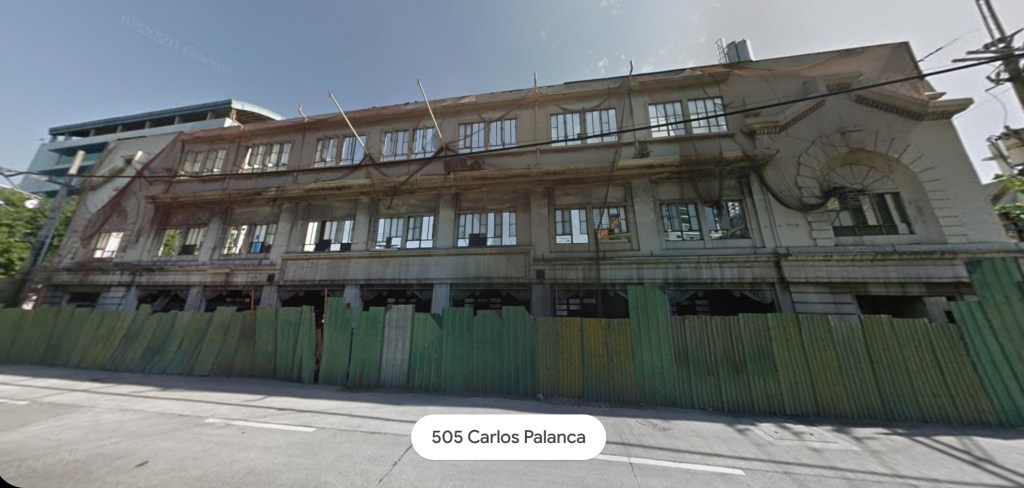

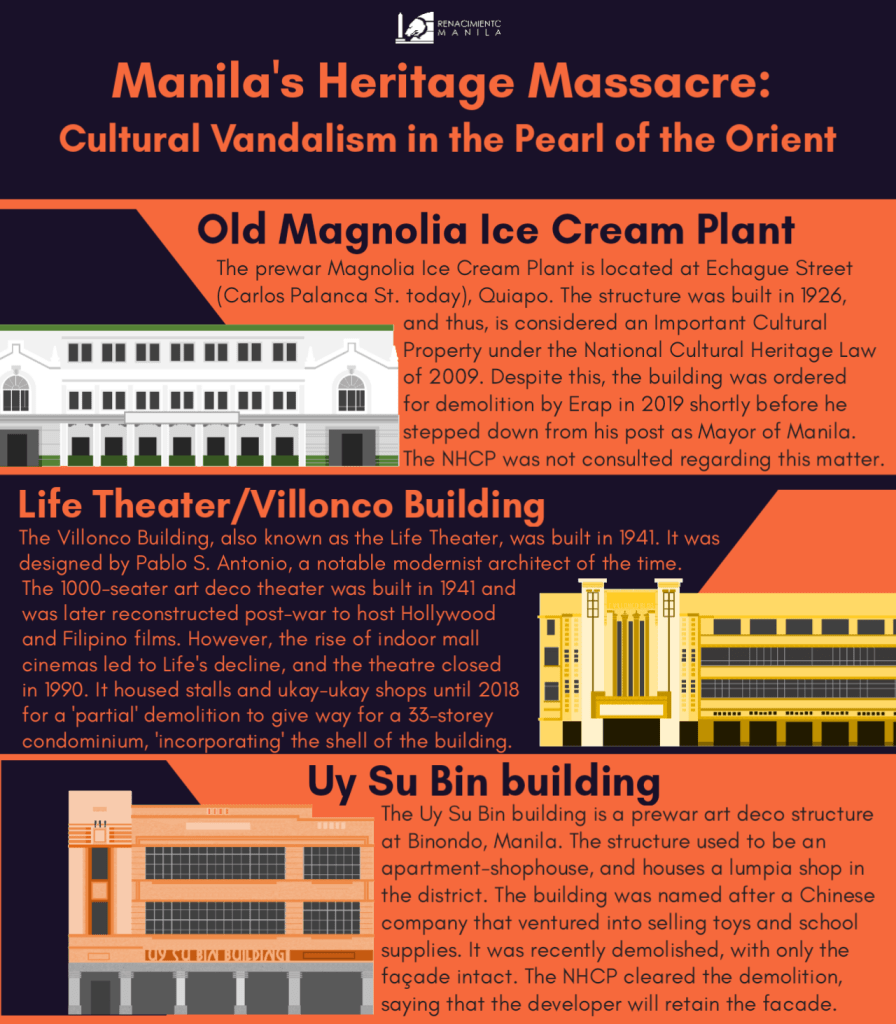
The prewar Magnolia Ice Cream Plant is located at Echague Street (Carlos Palanca St. today), Quiapo. The structure was built in 1926, and thus, is considered an Important Cultural Property under the National Cultural Heritage Law of 2009. Despite this, the building was ordered for demolition by Erap in 2019 shortly before he stepped down from his post as Mayor of Manila. The NHCP was not consulted regarding this matter.
Uy Su Bin Building
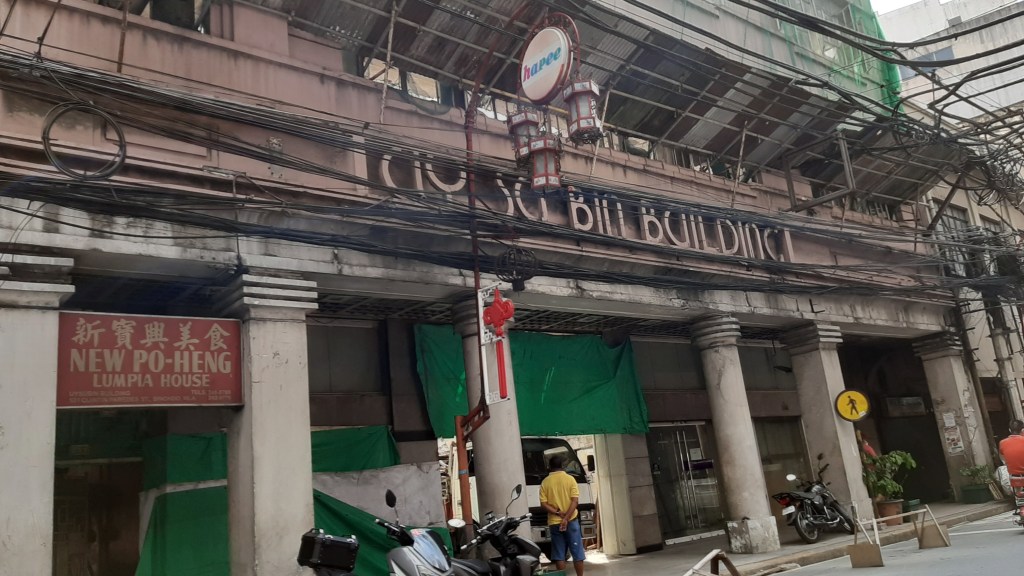
The Uy Su Bin building is a prewar art deco structure at Binondo, Manila. The structure used to be an apartment-shophouse, and houses a lumpia shop in the district. The building was named after a Chinese company that ventured into selling toys and school supplies. It was recently demolished, with only the façade intact. The NHCP cleared the demolition, saying that the developer will retain the facade.
Life Theater/Villonco Building
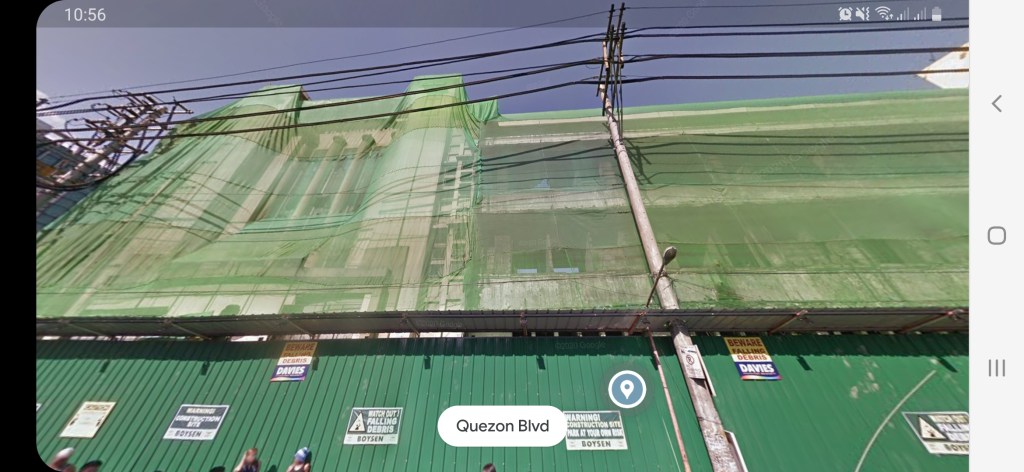
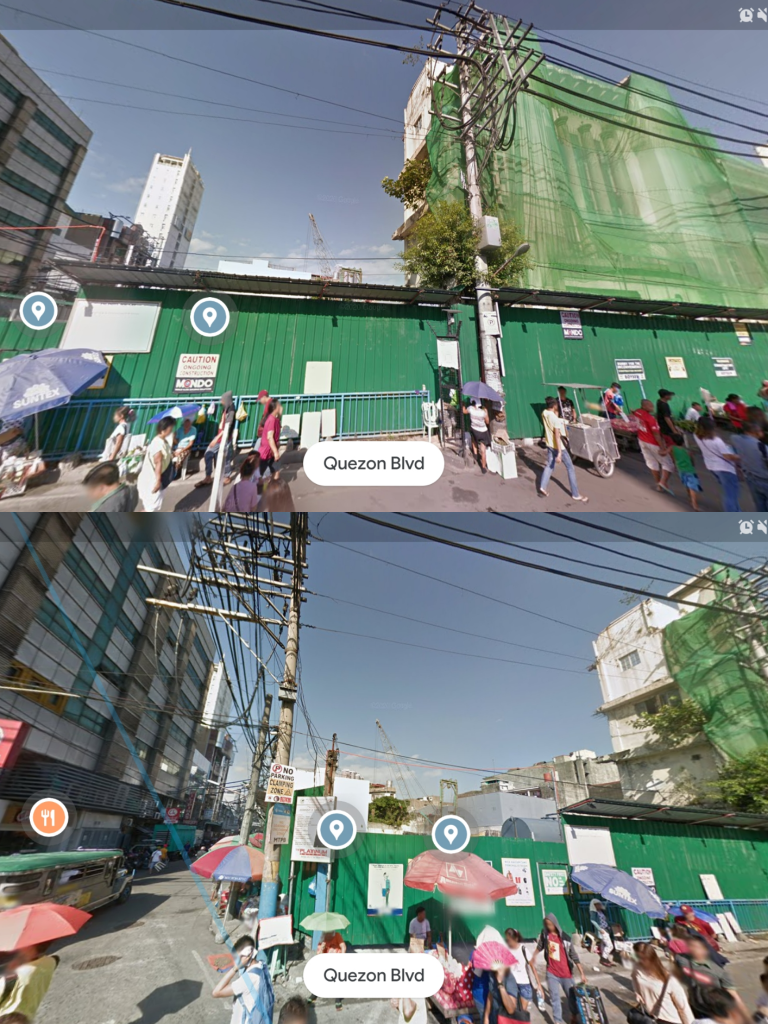
The Villonco Building, also known as the Life Theater, was built in 1941. It was designed by Pablo S. Antonio, considered to be the foremost modernist architect of his time. The theater building was owned by the Villonco family, who were original partners in the LVN Studios – one of the biggest FIlipino studios at the time. Built in the art deco style, the Life Theater was originally built as a theater for FIlipino films. Rebuilt after the war, the 1000 seater theater featured both Hollywood and Filipino films. The rise of indoor mall cinemas dealt a great blow on stand alone theaters like Life Theater. The theater closed down in 1990 and the building housed stalls and ukay-ukays until it was “partially” demolished in 2018. A 33 storey condominium will be built in its place. The shell of the VIllonco Building will be “incorporated” in the new construction. But looking at the design, one can see how the original building itself will look like an out of place skirt to the towering construction.
Hospicio de San Jose
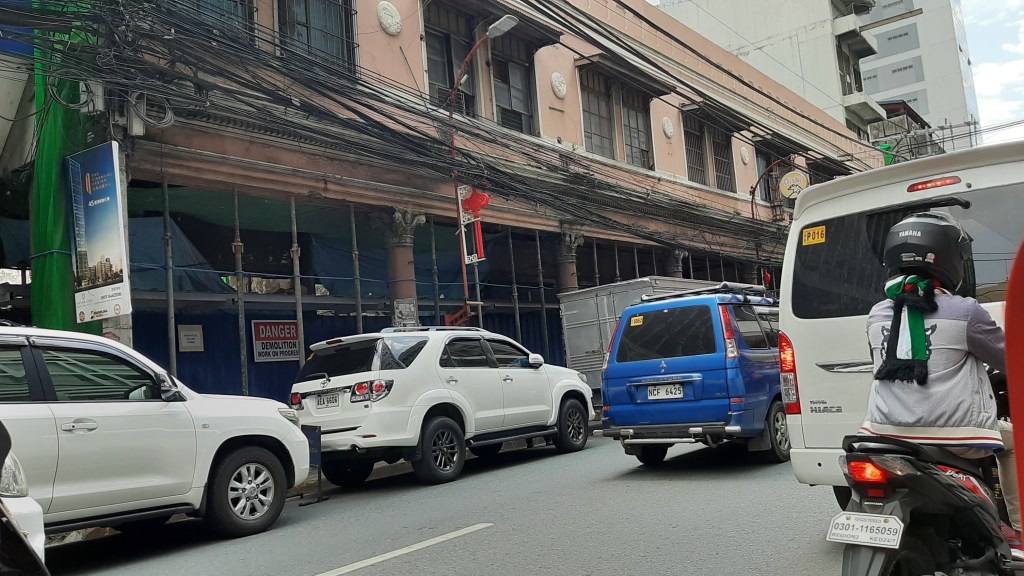
The Hospicio de San Jose is an American era building designed by brothers Juan and Arcadio Arellano in 1917. It is the last of its kind, standing at Quintin Paredes Street at Binondo. The building also does not have an official declaration of its heritage status, despite having stood there for more than 50 years. Recently, the NHCP has approved for the building’s partial demolition, as long as developer Filinvest Land Inc. retains the façade.
CONCLUSION
Every heritage building we allow to be pulled down is a devastating blow to the very soul and character of Manila. These structures set Manila apart from its neighbors. We Filipinos always moan and rant about how we do not have cultural districts like Thailand and Japan, but we turn a blind eye (or even encourage) the destruction of such cultural icons in our own backyard.
The development of cultural assets such as these heritage structures have the potential to bring renewed vigor to decrepit districts like Quiapo and San Nicolas. We need to see beyond the outdated notion that development means building malls and condos – especially in a city that is already congested.
With every building we destroy, relocate, or turn to a joke of a facade, we deny Manila and its people the great opportunity of being at par with other Asian cultural destinations.
Saving Manila’s heritage goes beyond cultural and aesthetic benefits. It holds the key to Manila’s urban renewal and economic development based on cultural development, which in due time would attract cultural tourism.
We condemn the ongoing cultural vandalism, and the seeming incapacity of mandated agencies to stop it. We call upon civil society and the people, those who care for Manila, to save Manila’s heritage.
References
San Sebastian Basilica Conservation and Development Foundation, Inc.
Vlog on the Paco Market – https ://youtu .be/P2FXpiuvaC0
NPLAS render of the Paco Market con façadism – https ://youtu .be/3wIZFCIUAJI
Center for Filipino Architecture
American Chamber of Commerce – https://m. facebook. com/story. php?story_fbid=142985380826958&id=108819284243568
Pons House – facebook .com/story .php?story_fbid=146731957118967&id=108819284243568
Pons House is being demolished – facebook .com/story .php?story_fbid=147739427018220&id=108819284243568&sfnsn=mo
El Reportero
Condo project behind San Sebastian to push through, retrieved 18 Sept – facebook .com/114619456962839/posts/152234573201327/
Paco Market – facebook .com/story.php?story_fbid=144319944026835&id=108819284243568
Paco Market does not have clearance in demolition, retrieved 17 Sept – facebook .com/114619456962839/posts/151540766604041/
NHCP okays Paco Market renovation – facebook .com/114619456962839/posts/155273036230814/
Re: Sunico, NM recommendations, retrieved 26 Aug – facebook.com/114619456962839/posts/144686363956148/
Sunico kin releases statement, retrieved 28 Aug – facebook .com/114619456962839/posts/145487013876083/
Sunico developer accepts NMP conditions, retrieved 30 Aug – facebook. com/114619456962839/posts/146113100480141/
Zaragoza house being torn down – facebook. com/114619456962839/posts/154998279591623/
Zaragoza house part 2 – facebook. com/114619456962839/posts/155275082897276/
Nolisoli PH
(Ides O’Racca) nolisoli .ph/14695/four-heritage-sites-need-pull-met/
(Uy Su Bin) https://nolisoli. ph/53154/art-deco-binondo-ymalajito-20181203/
nolisoli. ph/77063/nhcp-partial-demolition-old-hospicio-de-san-jose-binondo-bn-ymagcamit-20200327/
The Urban Roamer
www. theurbanroamer .com/paco-market-and-estero-de-paco-rehabilitation
Other links
https://news .abs-cbn .com/ancx/culture/spotlight/08/06/20/one-last-look-at-manilas-iconic-philam-life-building-and-theater
https://www. gmanetwork. com/news/lifestyle/content/302429/smdc-vows-to-preserve-philam-life-theater/story/
facebook. com/pages/category/Cause/Let-Us-All-Save-Philamlife-Building-Philamlife-Auditorium-624904797523726/posts/
(Amcham) lifestyle. inquirer .net/354915/heritage-issues-continue-to-hound-manila-despite-renaissance-program
https://news. abs-cbn .com/ancx/culture/spotlight/03/31/19/goodbye-to-capitol-escolta-is-losing-another-significant-heritage-building
https://www. spot. ph/arts-culture/the-latest-arts-culture/82596/demolition-capitol-theater-escolta-a833-20200622
cnnphilippines .com/life/culture/2020/7/14/capitol-theater-heritage-structures-manila .html
m .facebook. com/groups/271970982860155?view=permalink&id=3028658387191387
https://www. facebook. com/saveidesoracca/
(Ides O’Racca) facebook .com/digitaldashmanila/posts/on-the-north-side-of-the-famous-divisoria-mall-stands-a-large-concrete-structure/171366994331209/
https://www. onenews. ph/panciteria-in-rizal-s-fili-in-decrepit-state
(Panciteria) pressreader. com/philippines/the-philippine-star/20191231/281479278333258
lifestyle. inquirer. net/341053/nhcp-berates-eraps-city-hall-for-midnight-demolition-of-old-magnolia-building-in-quiapo/amp/
lifestyle .inquirer .net/358858/prewar-art-deco-uy-su-bin-building-in-manila-demolished/
philstar. com/entertainment/2012/12/17/886862/glory-was-life
Related readings from Manila Weekly:
San Sebastian – manilaweekly .wordpress .com/2020/09/19/manila-weekly-special-release-no-2-renacimiento-manilas-statement-on-condominium-project-behind-san-sebastian-church/
Paco Public Market – manilaweekly. wordpress. com/2020/09/16/heritage-at-risk-paco-market/
Sunico Foundry – manilaweekly. wordpress. com/2020/08/31/can-we-demolish-the-sunico-foundry-because-it-is-not-an-important-cultural-property-icp/ manilaweekly. wordpress. com/2020/08/30/the-sunico-foundry-another-case-of-neglected-heritage/
Text by A.P., Diego Gabriel Torres, Adam Daniel Reyes; Art by Diego Gabriel Torres. Renacimiento Manila. All rights reserved.

The Renacimiento Movement. What, then, is the Renacimiento Movement? The movement is the core philosophy of the organization. It is founded on the reality that heritage is a cornerstone of holistic development and that it is indispensable in ensuring quality of life. As such, cultural revival is necessary for the promotion of heritage in the national agenda. Heritage should be driven by the people, regardless of race, gender, creed, or religion. This cultural revival can be achieved through the following ways: government support, the advancement of private initiatives, and the engagement of the people.
 Renacimiento Manila
Leave a comment