
Arch. Carlos Cucueco III
20 October 2020
Modern public schools in the Philippines often conjure in one’s mind an image of chaos and decay, wherein multitudes of students have to struggle with the decay and inadequacies of educational facilities. The lack of sufficient state funding for the ever growing student population has resulted in public schools that have to stretch their resources in order to accommodate as many students as possible. As such, the environment by which the students are educated is far from conducive and this has negative effects on the quality of education received by the students.
But this wasn’t always the case. In the past, especially during the American period, the public schools system was something that the Philippines – and the American overlords – was very proud of.
Fortunately, we still have some public educational facilities around the country that give us a glimpse of this period in public education through their architecture. There are the famous Gabaldon school buildings scattered around the country, and the H. A. Bordner Building inside Manila Science High School. The plans of the H. A. Bordner Building and the typology for the Gabaldon school buildings were designed by Arch. William E. Parsons, who also designed public edifices such as the old Philippine General Hospital building and various provincial capitol buildings.
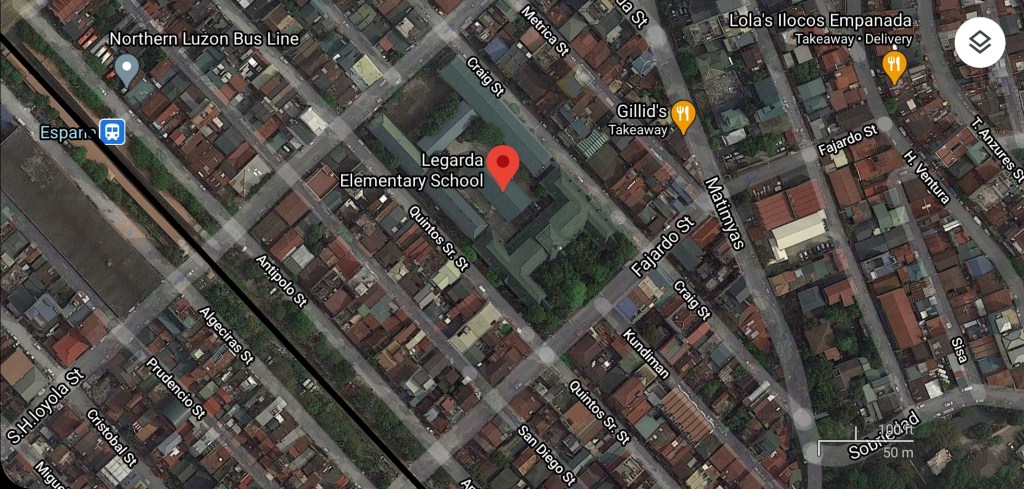


In the district of Sampaloc in Manila, there is still a public educational edifice that has withstood the test of time – Legarda Elementary School. A couple of blocks away from España Boulevard, the lot where this school stands is bounded by S. H. Loyola St (formerly Calle Lepanto, same street with Gota de Leche), Craig, Quintos and Fajardo.
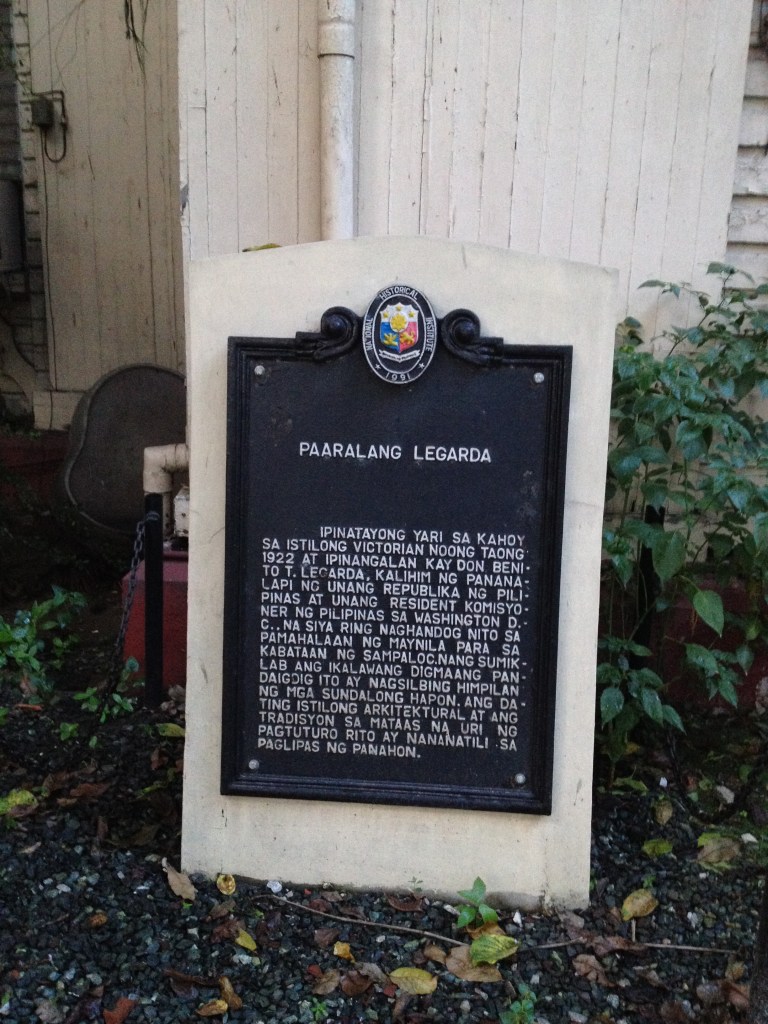
The school was named in honor of the original lot owners – the Legarda Family. The deed of donation was made to commemorate the legacy of the family’s patriarch: Benito Legarda. A prominent Filipino legislator, he was known in history as one of the inaugural Resident Commissioners from the Philippines to the United States from 1907 to 1912. This position serves as the non-voting representative of the Philippines to the US House of Representatives during the American Occupation up to the end of the Philippine Commonwealth.


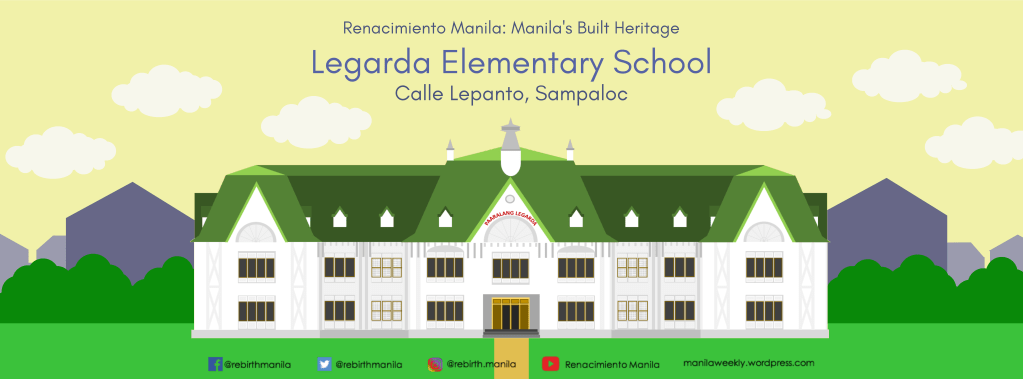
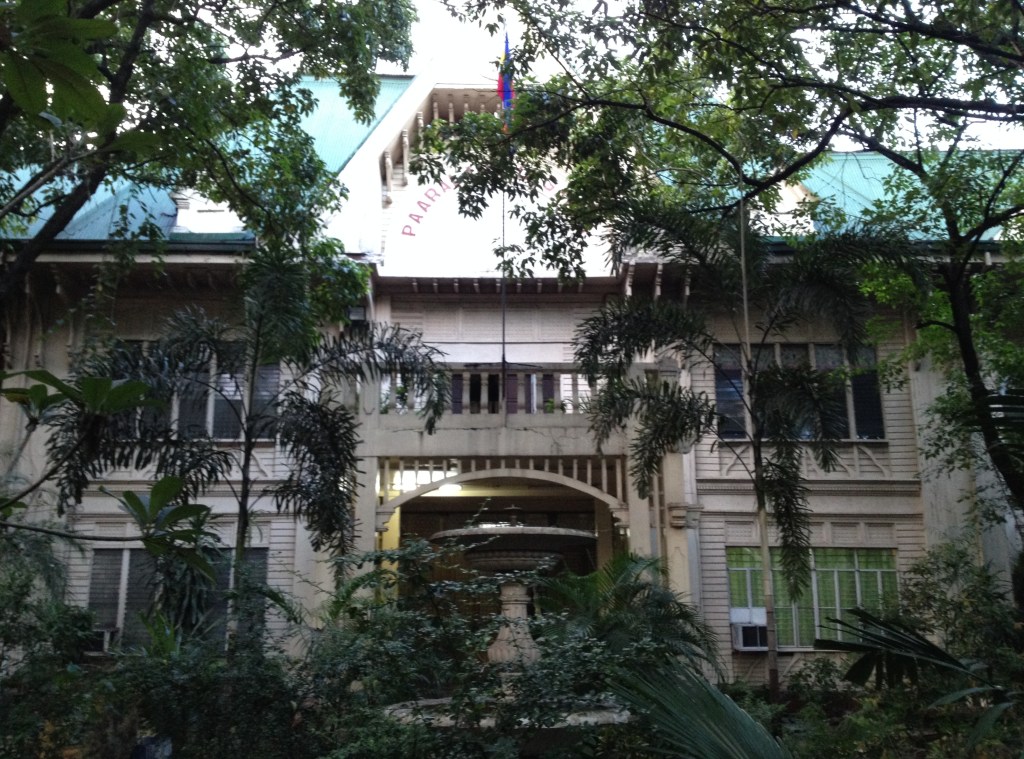
The original building of the school was designed by Arch. Andres Luna de San Pedro, the son of the famous Filipino painter Juan Luna. What makes the school stand out from the rest of the schools in Manila, public and private schools alike, is the fact that the original building retained its unique architectural features. The architect derived the design of the school from the Victorian-era country homes in England, thus the building has a vibrancy of a comfortable home. The combination of reinforced concrete for the structural members, walls covered in ornamental wood components, and the painted galvanized iron sheets for the Victorian-inspired roofing profile contributes to the residential atmosphere of the building. The comfort of the users was also considered with the use of passive ventilation which is evident through the use of large windows in jalousie and traditional capiz types. The high roof profile with dormer windows also contribute to the passive cooling mechanism of the school building.
The building was erected in 1922 and is considered one of the oldest educational structures in Manila that survives to this day. During World War II, the structure served as a barracks for the Japanese and was later used as a military hospital by the Americans. Over time, more buildings were also built inside the lot to accommodate the growing number of students. Fortunately, the original edifice was not taken down for this purpose. In 2003, the National Historical Commission of the Philippines restored and rehabilitated the school with funding coming from the US Embassy through its cultural heritage preservation program. This phase was finished in 2004.
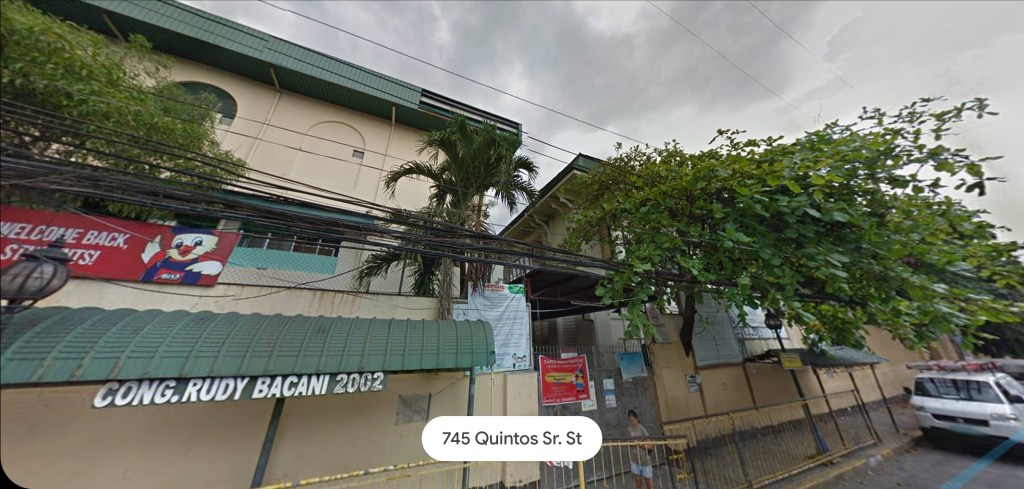
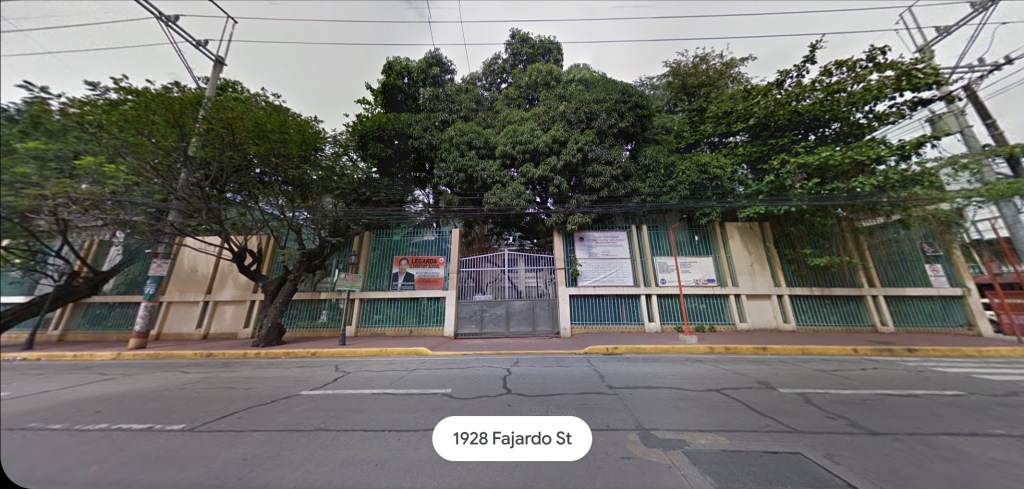
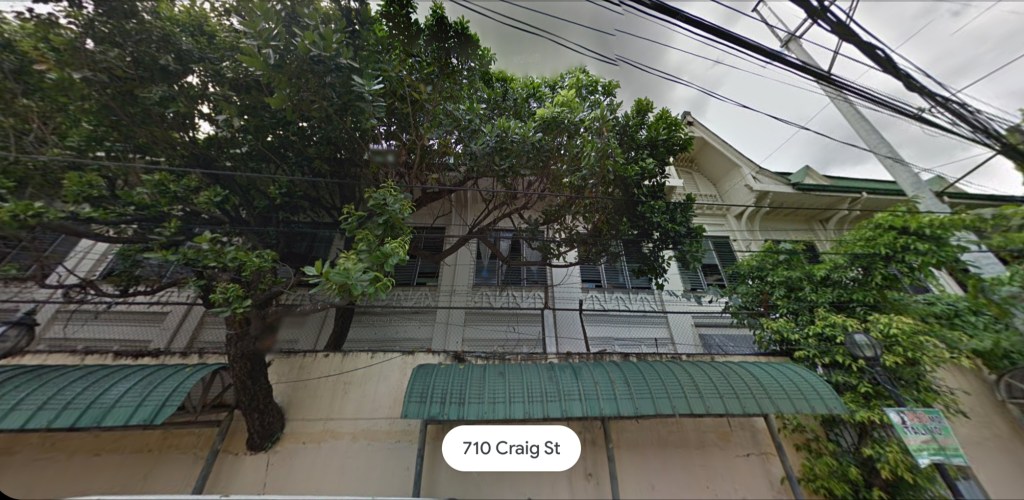
For the people who received and are still receiving their education in this institution, they are lucky to have studied in a school that is full of architectural and historical value. We hope that future generations will also enjoy learning in schools such as the Legarda Elementary School – a place of learning as well as comfort and beauty.
Source
Historical Marker, Paaralang Legarda
theurbanroamer. com/legarda-elementary-school/
ph. usembassy. gov/education-culture/cultural-heritage-preservation/restoration-legarda-elementary-school-manila/

The Renacimiento Movement. What, then, is the Renacimiento Movement? The movement is the core philosophy of the organization. It is founded on the reality that heritage is a cornerstone of holistic development and that it is indispensable in ensuring quality of life. As such, cultural revival is necessary for the promotion of heritage in the national agenda. Heritage should be driven by the people, regardless of race, gender, creed, or religion. This cultural revival can be achieved through the following ways: government support, the advancement of private initiatives, and the engagement of the people.

 Renacimiento Manila
Leave a comment