

By Beatrice Ann Dolores
28 Feb 2021
In continuation with the tenth article of Manila Weekly the Multi-purpose Functionality and Sustainability of Bahay-na-bato, we are tackling the Filipino characteristics embedded in the architecture and design of these unique Spanish Colonial Period dwellings.
Going back, bahay-na-bato is an evolution of bahay kubo wherein permeability, openness, and climatic considerations were physically transformed into an impressive improvement. From the thatched walls to the elaborate fenestration systems (i.e. calado), to elevated dwellings structurally supported by wooden posts but with a stone skirt below for stronger protection and resilience towards the elements, Manila Weekly Trivia no. 10 (click here) discussed these comprehensively and more.
Now, aside from this architectural evolution, Filipino values were also well-inculcated within the designs of these Spanish Colonial dwellings. It is important to note though that bahay-na-bato is not only a building typology for dwellings – aside from churches, other civic buildings, and humble bahay kubo, the only design style prevalent during the time was bahay-na-bato: for factories (or Foundry, for the Sunico Foundry), businesses, convents, and even schools (the original University of Sto. Tomas in Intramuros).
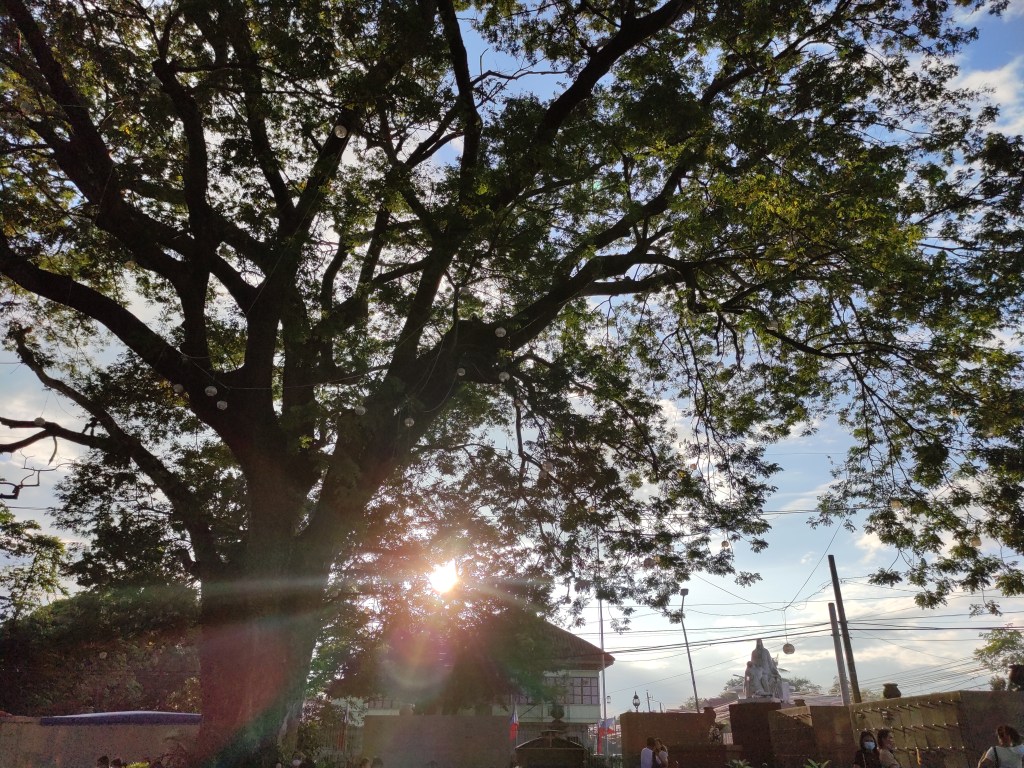
Towns then required households to be “within the sound of the bells”, or what they call bajo las campanas. The early religious missionaries brought by Spain became the first town planners of the colonial period, most of which we still use today. Houses closer to the center of the town, or the church, depict higher social status and one of the most notable ones would be the Mercado house – or Jose Rizal’s family home in Calamba, Laguna.

Apart from the wide doors’ primary function to let large things in like the carroza (procession floats of religious figures), these large entryways together with the escalera or grand staircase bring a welcoming reception to any visitors. As one steps into the wooden upper quarters, a sense of openness, generosity, and honesty emanates through the connectivity of the spaces. The walls, furniture, and even the fabric are embellished with natural elements – showcasing Filipino’s deep inclination with nature.
The house’s full-width windows allow each of the 10+ member household enough space to view the happenings down the street. Processions, maglalako, or their neighbors or passers-by down below are very visibly and audibly accessible to the family, allowing a sense of community from one another and even showcasing the mausisa personality of Filipinos. These huge fenestrations provide connectivity with the environment, serving as an extension of its surroundings.

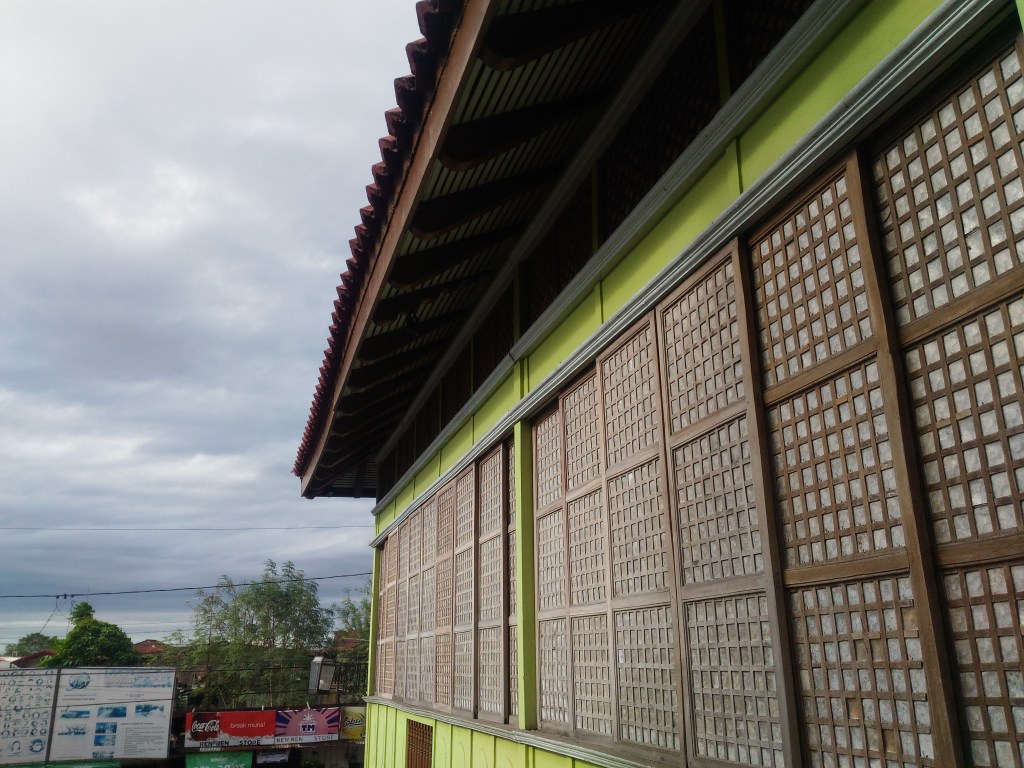

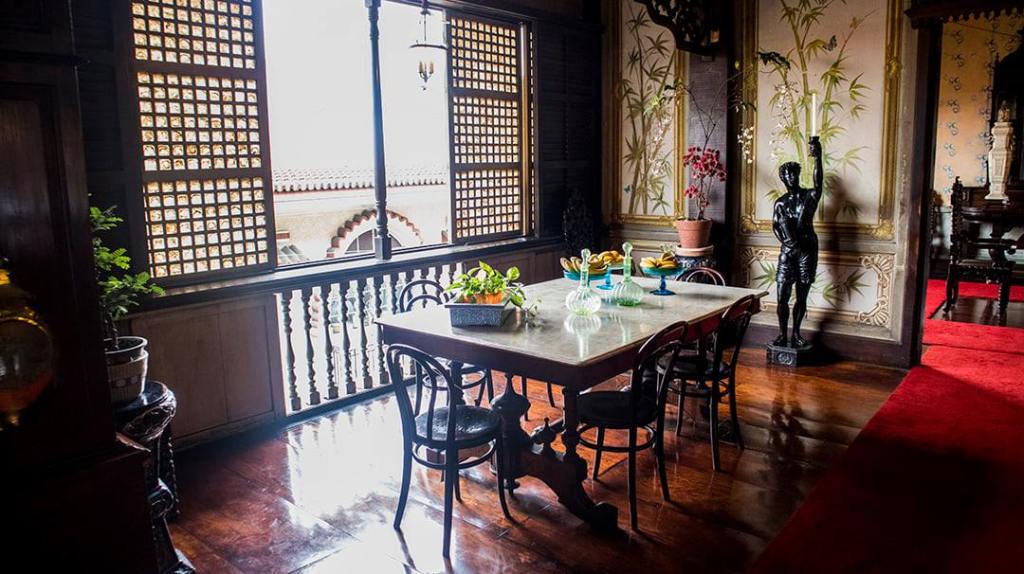
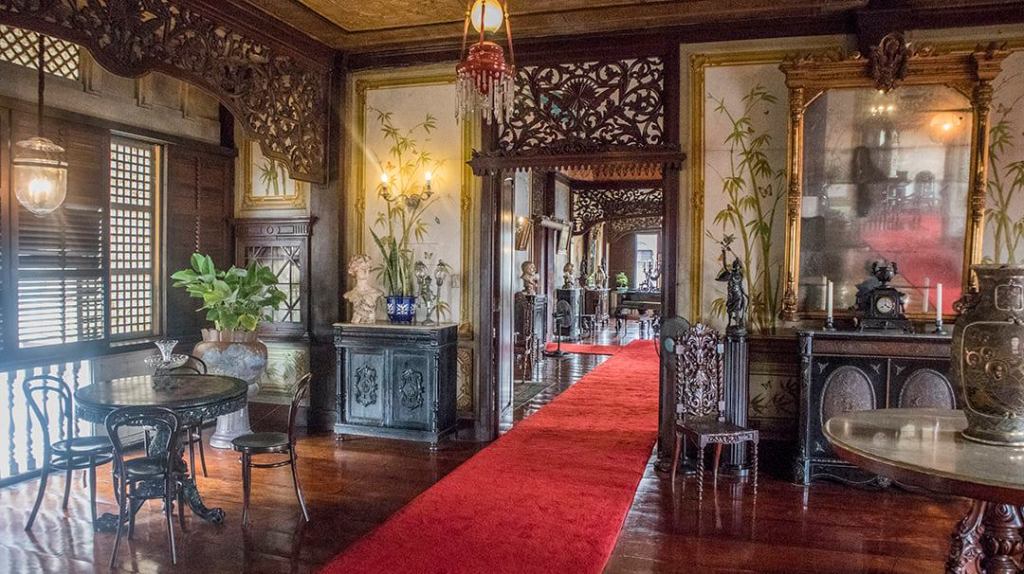
Having ventanilla or the smaller fenced openings below the windowsill not only allows fresh air on a siesta, but also provides opportunity for the young ones to view the outdoors safely. A bahay-na-bato is designed with a thoughtful consideration to all members of the household.
Of course, Filipino characteristics aren’t all positive. Inside the dwellings, despite the eclecticism being completely Filipino since we are a melting pot of multinational cultures brought about by the world’s first ever maritime trade on our very own shores, colonial mentality in terms of acquired furniture or design styles are evident in the households – may they be European, South American, or neighboring Asian styles like Chinese. There is also the “what other people thinks” mentality wherein they only bring out a special set of cutlery and other embellishments during social events. We must take note that these characteristics are embedded on the social construct though, unlike the other aspects earlier mentioned wherein architecture actually highlighted and magnified the values of a Filipino for the bahay-na-bato‘s immediate users as well as for its visitors.
In terms of building a bahay-na-bato, two interesting Filipino concepts are also present: resourcefulness and bayanihan. The building materials used include good quality wood, with frameworks that can be dismantled over time (like the bahay kubo), albeit not to be moved to another place like the bayanihan, but at least so that newer material can replace the wooden parts once they get old and structurally unstable. In terms of resourcefulness, oral tradition claims to use egg whites as an ingredient for the mortar plastering, leaving a heap-load of egg yolks. So what did Filipinos make with the egg yolks? Leche flan!

Photo courtesy of the author.
In summary, our Philippine characteristics embedded in a bahay-na-bato include:
Filipino hospitality – huge doors, escalera (grand staircase)
Openness – open floor plan like the bahay kubo; provides visual connectivity of spaces & also translates to family members being able to reach out and be open to one another, developing a sense of kinship and transparency within the household. Something that compartmentalized and heavily walled rooms we have in recent times have deprived us of.
Love for nature – designs (calado – wooden fretwork; paintings, furniture, fabric), azotea, and full-width windows
Connectivity; Sense of neighborhood (+mausisa) – Full-width windows
Consideration for all – sliding windows, ventanilla

Azotea – sky garden; outdoor extension of the house
A fun fact about azotea is that the Rizal (Mercado) family sometimes dine out on good summer nights, providing additional experience of the place as well as deeper communal with nature.
Photo shown is the azotea of Casa Manila taken during the 2017 Intramuros Open House. Courtesy of the author.
This study shows how deeply valuable the design considerations of our very own bahay-na-bato in terms of highlighting and amplifying the Filipino principles. Aside from its functionality and sustainability, the heart of being a Filipino resides in this intelligently designed structure that the Philippines has to take pride on. May we continue to integrate these buildings in our community so that it’ll be taken cared of in its rightful environment.
References:
Florendo, R. B. (2012). Las Casas Bajo de las Campanas. UST Publishing House.
Zialcita, F. N., & Tinio, M. I. (1980). Ancestral Houses. GCF Books.
Family powerpoint art by Aly Garcia (@aly.pptx – IG)
Bahay-na-bato digital art by Rancho Arcilla (@rancho.arcilla – IG)
Layout design by author.
Photos by Bea Dolores & Anson Yu.
Renacimiento Manila
All Rights Reserved.
For more inquiries, kindly contact the author thru Renacimiento Manila Facebook page.

The Renacimiento Movement. It is founded on the reality that heritage is a cornerstone of holistic development and that it is indispensable in ensuring quality of life. As such, cultural revival is necessary for the promotion of heritage in the national agenda. Heritage should be driven by the people, regardless of race, gender, creed, or religion. This cultural revival can be achieved through the following ways: government support, the advancement of private initiatives, and the engagement of the people.


 Renacimiento Manila
Leave a comment